
The Degree Divide: Why Education Trends Could Shake Up the Midterms

For years, the Republican strategy has relied heavily on a strong coalition of voters without college degrees, a demographic shift that has historically hampered Democrats in presidential contests. However, as the upcoming midterms approach, this educational divide may actually become a liability for the GOP. History shows that college-educated voters typically make up a larger portion of the electorate during midterm cycles than they do in general presidential elections. With President Trump’s approval ratings plummeting among these high-education voters, this predictable shift in turnout could provide Democrats with a critical advantage in otherwise competitive races.
This potential swing is amplified by a growing sense of disillusionment within Trump’s own base. While he once held an iron grip on white working-class voters, signs of erosion are appearing among rural residents and those without degrees who are frustrated by inflation and foreign policy decisions. If these traditionally reliable Republican supporters stay home while alienated college graduates turn out in droves, the result could move beyond a simple blue wave and evolve into something far more disruptive for the current administration.
The current political landscape represents the climax of a long-term realignment known as class inversion. For much of the twentieth century, Democrats were seen as the party of the working class, but that bond fractured during the civil rights era of the sixties. Since then, Republicans successfully courted blue-collar voters through cultural issues like gun rights and immigration, while Democrats gradually became more popular among professionals and academics. Donald Trump accelerated this trend to unprecedented levels, securing massive shares of non-college voters across various ethnic groups while facing stiff resistance fromThose with university degrees.
Now, that very polarization creates a precarious situation for Republicans in heartland states like Michigan, Ohio, and Iowa. To avoid significant losses in Senate races and House districts, the GOP must mobilize its non-college base to override the inherent midterm tilt toward educated voters. As polling indicates a staggering gap in approval ratings between different education levels, the ultimate outcome depends on whether disillusioned workers decide to hold their noses and vote or simply opt out of the process entirely.
Related Stories

Youth Wave Topples Establishment in Historic Serbian Election Shift
Serbia has woken up to a new political reality following a stunning electoral victory by the Student List,…
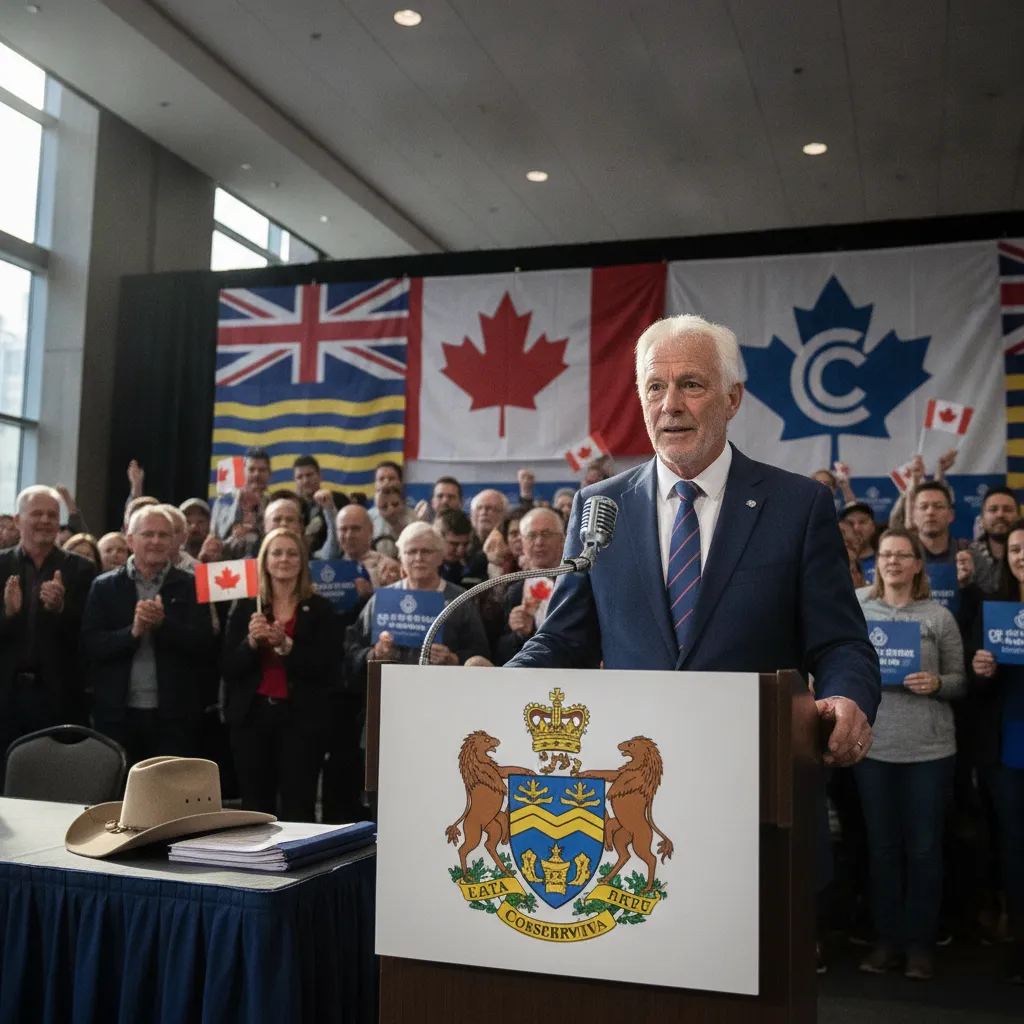
From Rodeo Announcer to Premier: The Unlikely Rise of Lorne Doerkson
In a stunning reversal of fortune, British Columbia has entered a new political era following a snap election…

Hinojosa Bets on Voter Fatigue to Topple Abbott in Texas Gubernatorial Race
Democratic state Representative Gina Hinojosa is banking on a growing sense of political exhaustion to propel her toward…

Battle for the Airwaves Erupts as Prague Residents Fight State Media Control
Thousands of demonstrators flooded Prague’s Old Town Square this Sunday to voice their outrage over a controversial government…