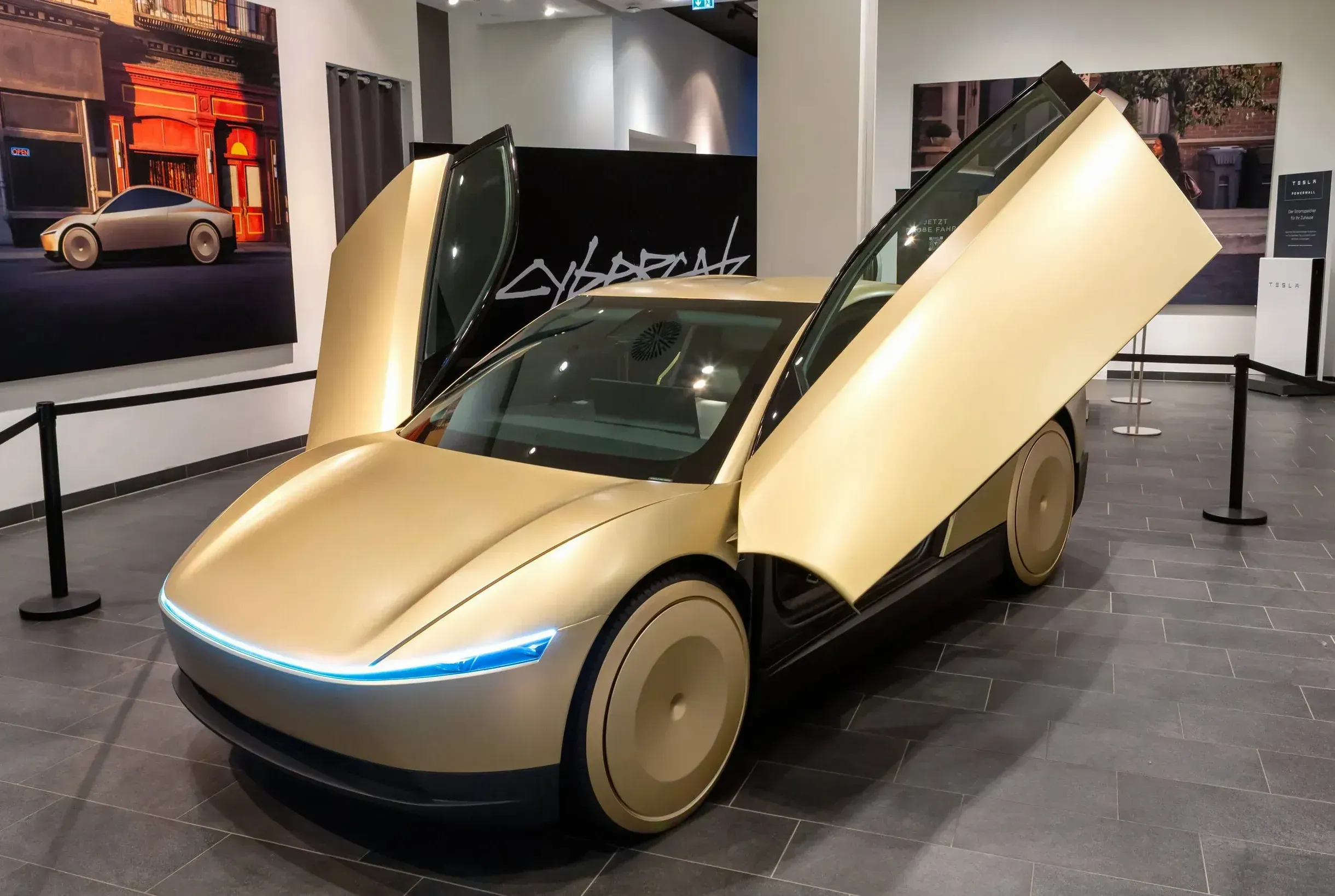
Tesla currently finds itself in a precarious position, trading more than 20 percent below its peak from earlier this year. However, the electric vehicle giant is doubling down on a massive strategic pivot, funneling billions of dollars into autonomous robotaxis, humanoid robots, and large scale grid batteries. These moonshot projects represent a gamble that could either fundamentally rewrite the company’s earnings potential by the end of the decade or place an unsustainable burden on its balance sheet.
For those considering putting ten thousand dollars into the stock today, projections suggest several paths depending on how these technologies scale. In a moderate base case scenario looking toward late 2031, that investment could grow to roughly thirteen thousand nine hundred thirty eight dollars, representing an annualized return of nearly seven percent. A more optimistic bull case sees the stake climbing to over nineteen thousand dollars if Tesla successfully dominates the autonomy market. Conversely, a bearish outlook suggests a much slimmer gain, leaving investors with around eleven thousand one hundred six dollars after five years.
The optimism surrounding Tesla stems from early wins in software and infrastructure. Full Self Driving subscriptions have surged by fifty six percent year over year, while energy storage deployments grew forty one percent last quarter to meet the power demands of artificial intelligence data centers. Elon Musk has suggested that many customers are now essentially buying an AI system that happens to come with a car attached, signaling a shift away from being just an automaker toward becoming a robotics and energy firm.
Despite this promise, significant red flags remain for cautious investors. Operating margins have plummeted recently, and free cash flow turned negative as capital spending soared toward twenty five billion dollars this year alone. With analysts revising earnings estimates downward and the stock trading at a steep premium relative to current profits, there is very little margin for error. As Tesla attempts to manufacture Optimus and deploy robotaxis globally, shareholders are left wondering if these futuristic ambitions can translate into actual profit before the costs become overwhelming.
