
Digital Natives Trade Stability for Speed as Midterm Anxiety Hits Portfolios

While veteran investors are largely ignoring the noise leading up to the midterms, Gen Z is treating the upcoming elections like a high stakes trading event. According to data from the Nationwide Retirement Institute, a staggering 72 percent of young investors have already tweaked their portfolios or retirement savings in anticipation of November. In stark contrast, only 17 percent of Baby Boomers have felt the need to move their money. For those born into an era of smartphone apps and zero commission trades, reacting to a political headline feels less like a strategic pivot and more like a routine update.
This divide suggests a fundamental difference in how different ages perceive market volatility. Many Boomers view these fluctuations as mere weather patterns to be weathered, partly because they are often in the phase of drawing down their assets rather than building them. Additionally, with nearly half relying on professional advisors and taking advantage of tax benefits passed to heirs, older investors have more structural incentives to stay put. Meanwhile, younger traders are splitting their moves between seeking safety and chasing opportunistic gains, reflecting a culture where investing is social, mobile, and instantaneous.
However, experts warn that this frictionless access to trading tools might be a double edged sword. Mark Hackett of Nationwide’s Investment Management Group notes that while Gen Z has unprecedented information at its fingertips, there is a thin line between being informed and being impulsive. Constant tinkering based on breaking news can disrupt the magic of compound interest over several decades, potentially damaging long term wealth for short term peace of mind. When every notification triggers a transaction, the danger shifts from market risk to behavioral risk.
Financial professionals overwhelmingly suggest that staying the course remains the smartest play during election cycles. Historical data from J.P. Morgan Asset Management shows that since 1950, the S&P 500 has averaged gains of 15 percent in the year following midterm elections. While history provides no guarantees, analysts argue that mistaking temporary political uncertainty for permanent economic impairment is a costly error. The consensus among pros is simple: diversify your holdings and resist the urge to treat your retirement fund like a day trading account.
Related Stories

The Franchise Formula That Unlocked Billions for Princeton Equity Group
For Doug Kennealey and Jim Waskovich, the path to securing 1.3 billion dollars in just two months began…
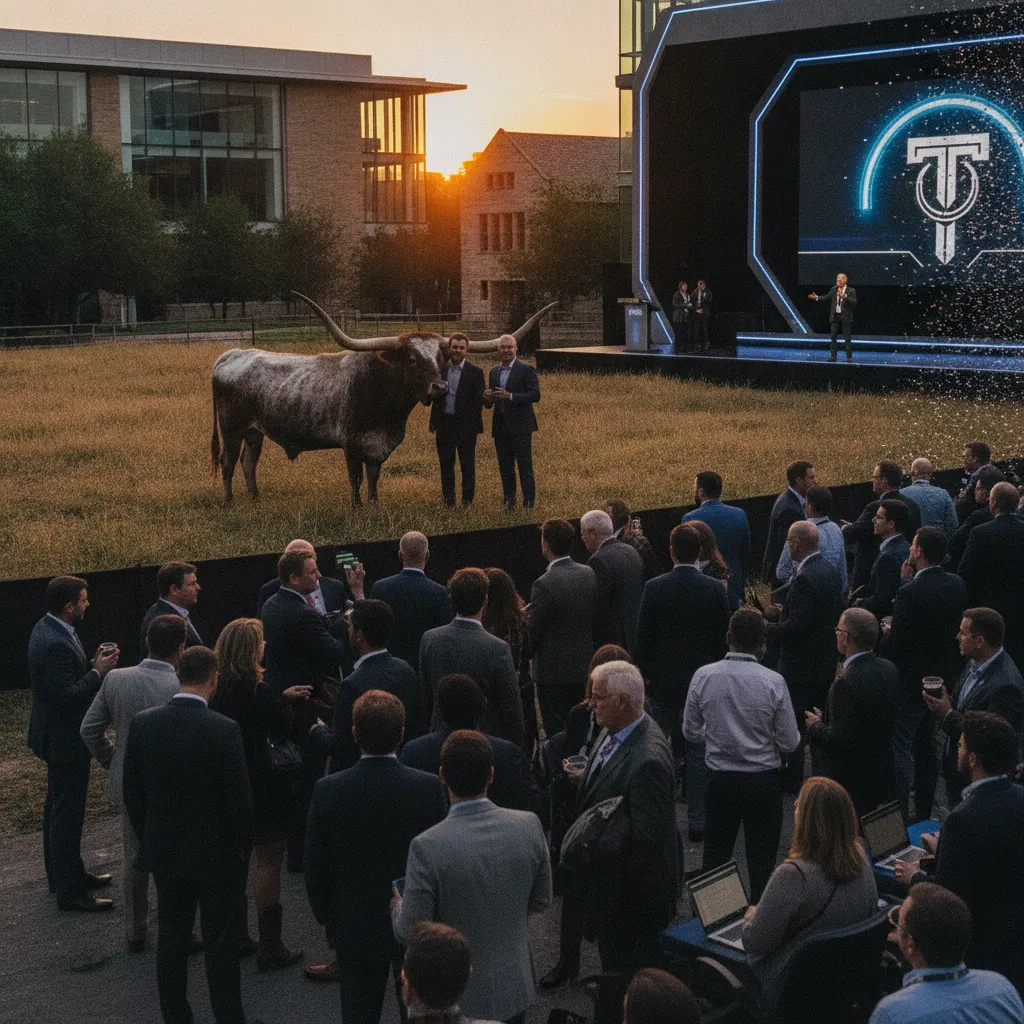
Texas Tech Surge Takes Center Stage at Sixth Annual Venture Dallas Summit
The atmosphere was electric this week as the sixth annual Venture Dallas conference converged on Old Parkland and…

Britain bets big on biotech defense with landmark artificial intelligence hub
The UK government is launching a pioneering effort to shield the public from futuristic biological hazards with the…

Betting on the Local: Can Urban Pubs Make a Comeback?
Across the streets of Hull, several entrepreneurs are placing high stakes bets on the survival of the traditional…